©

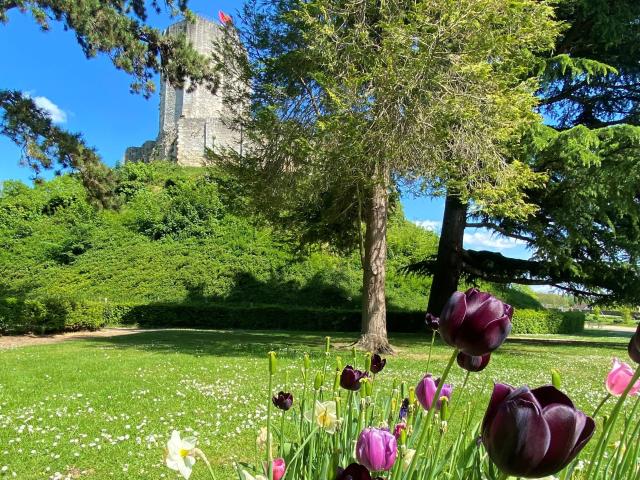
Parc Chateau De Gisors Au Printemps W Ml Vittori Vexin Normand Tourisme 2

The fortified castle of Gisors

The castle of Gisors is a landmark in the medieval history of Normandy. In addition to the legend of the Knights Templar’s treasure, the castle has been remarkably well preserved and is now being restored to its former glory.

Built as early as 1097, under the reign of William the Conqueror’s second son, the Château de Gisors marks a major milestone in the medieval history of Normandy. This fortification was designed to protect the Norman possessions of the King of England from the ambitions of the King of France. A veritable frontier and eastern lock for Normandy, it was part of a vast campaign to fortify the Epte valley, the natural boundary between the two kingdoms.

Discover

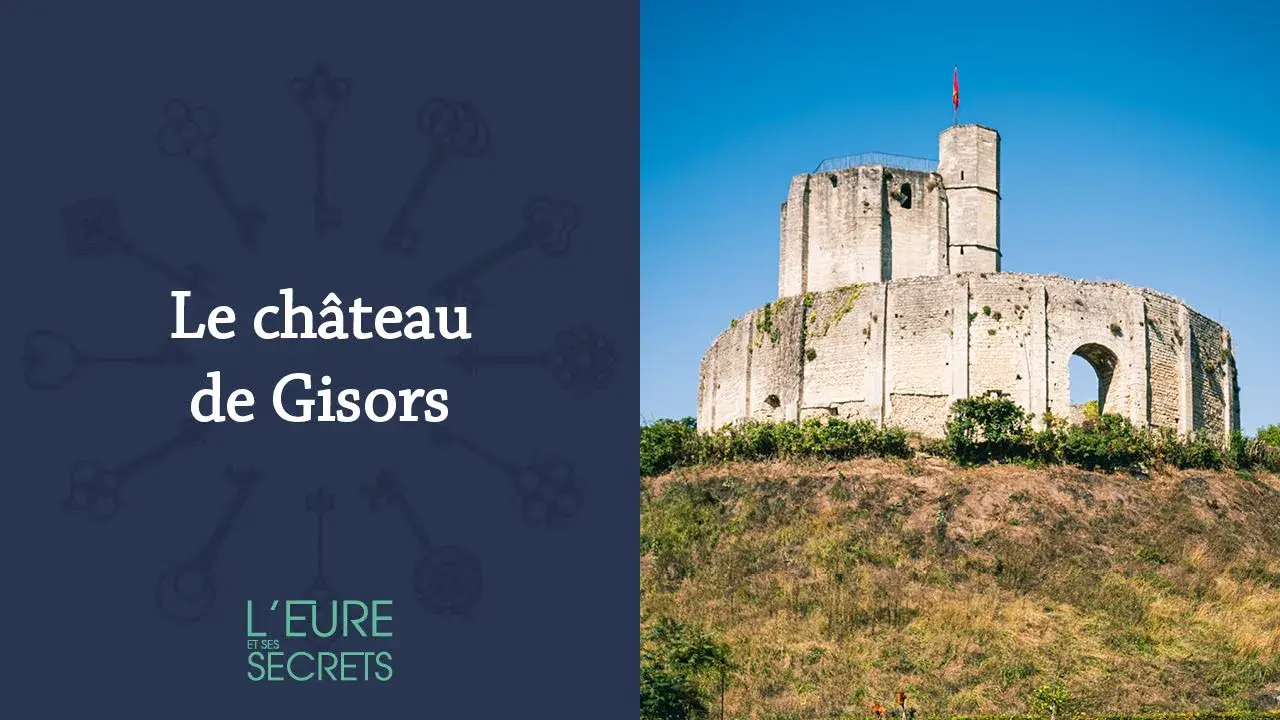
Le Château de Gisors - L'Eure et ses secrets - Épisode 3/4

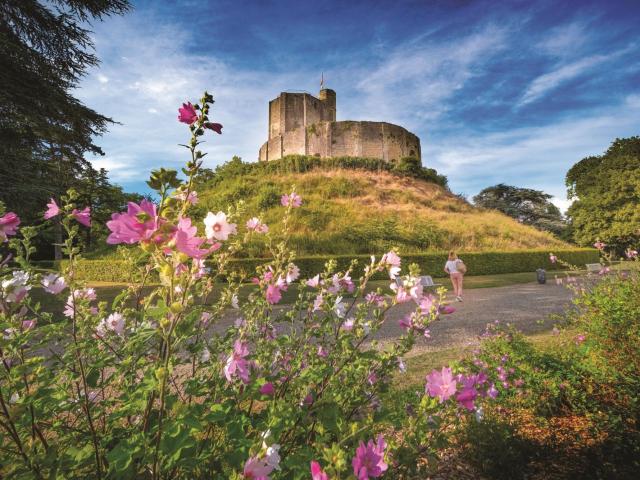
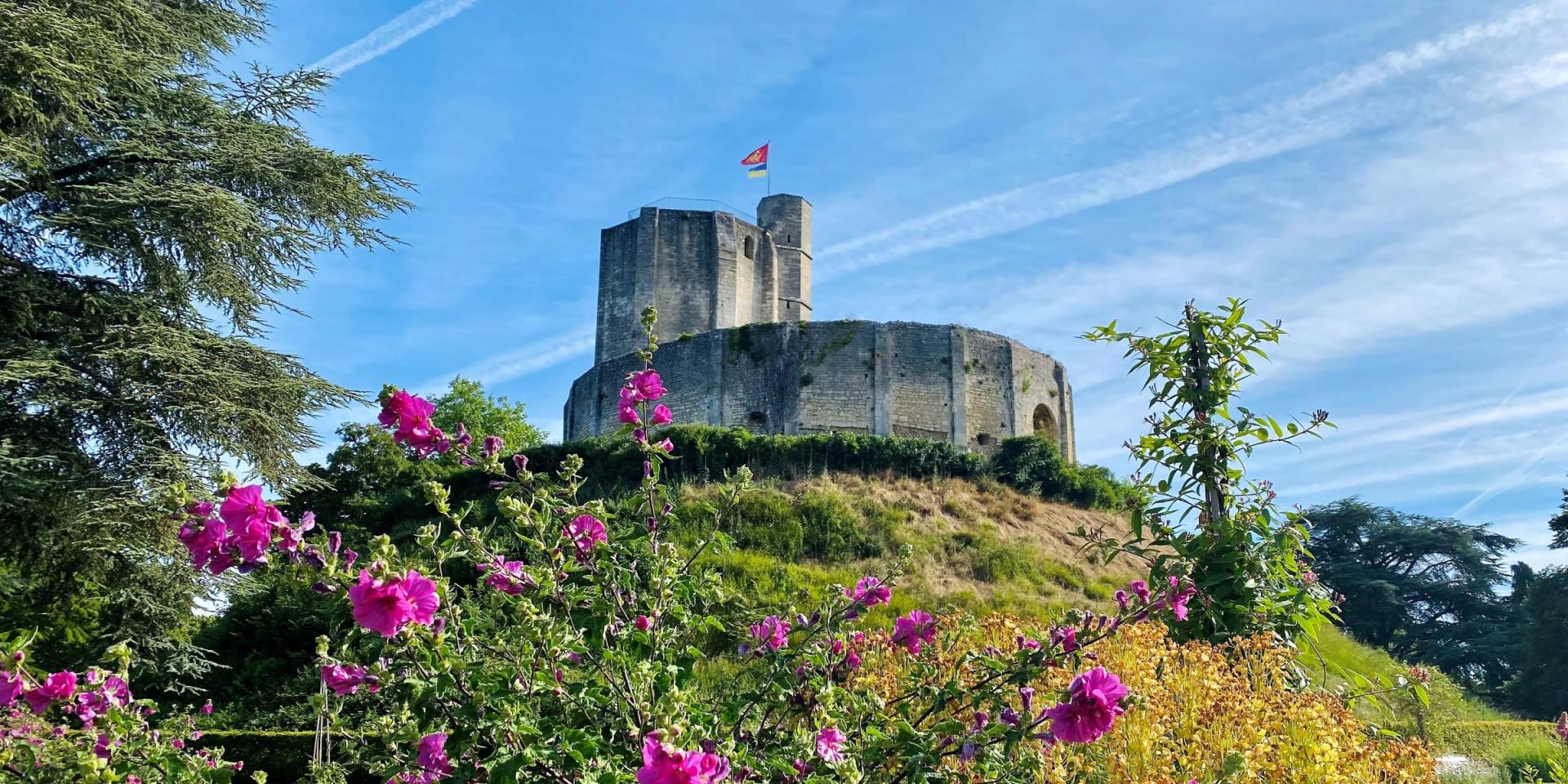
Inside the 800 m-long enclosure, discover the castle keep and its surrounding walls, built on an impressive artificial motte castrale 30 m high and 70 m in circumference.

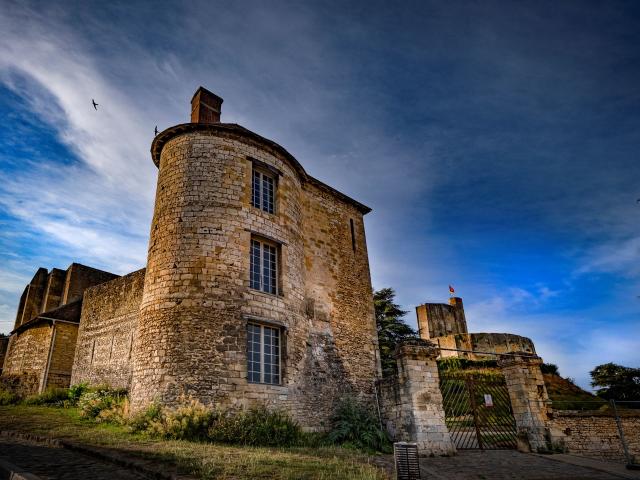
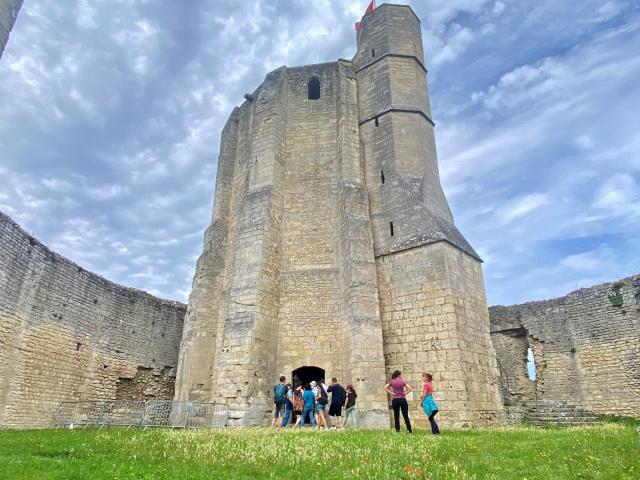
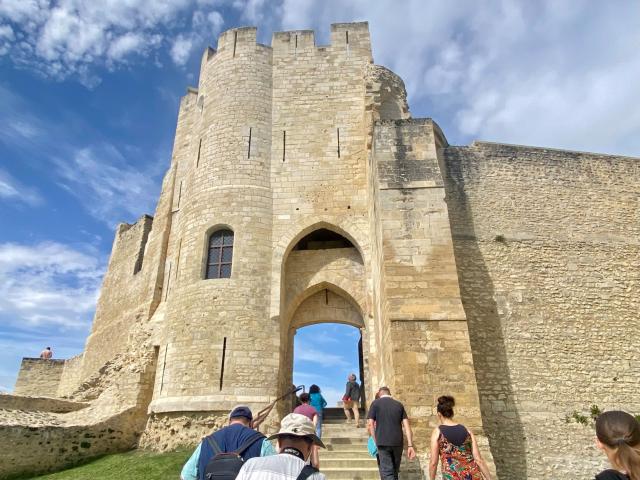
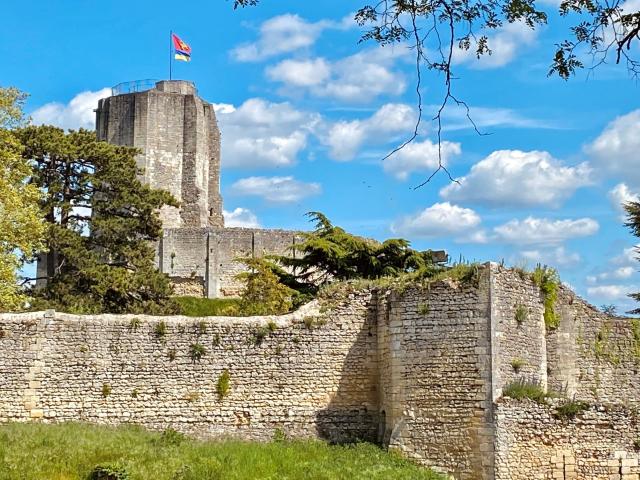
The Barbacane is the castle’s forecourt at the northeast corner of the enclosure. Access to the castle used to be via the Barbacane, a defensive structure leading to the Passage du Monarque, where the tourist office is located. The barbican is surrounded by curtain walls, the Governor’s Tower and the imposing circular keep built by Philippe Auguste, known as the Prisoner’s Tower.

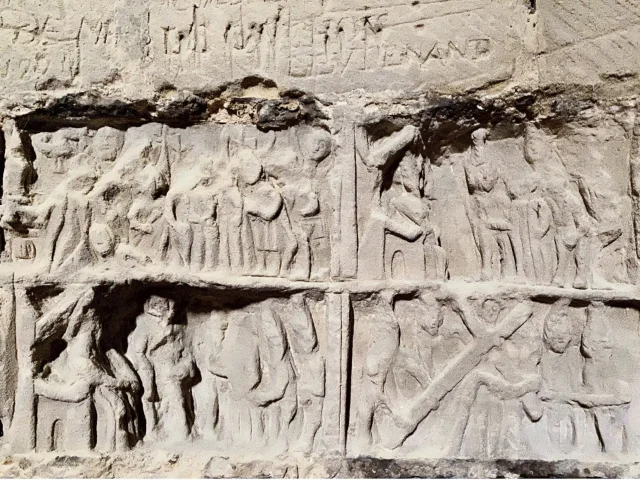
Superb and mysterious engravings adorn the interior walls of the Tour du Prisonnier.

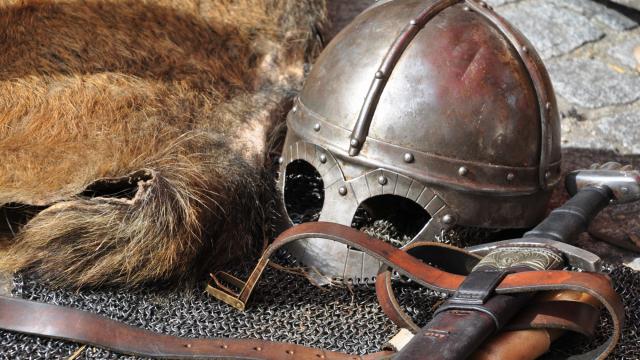
Every even-numbered year, “Gisors, La Légendaire” celebrates this exceptional heritage with a medieval festival of discovery and immersion in all facets of life in the Middle Ages.
Legend

The Templar Treasure

At Gisors castle

In the early 14th century, the fortress of Gisors was transformed into a prison. Knights of the Knights Templar are said to have stayed there, protecting it in turn, before, under French domination, some of them became prisoners: Grand Master Jacques de Molay, Hugues de Pairaud and several of the order’s preceptors. Legend has it that the Knights Templar hid a treasure there.

In the early 60s, journalist and author Gérard de Sède hired Roger Lhomoy as his gardener. Lhomoy, a former guide and janitor at the Château de Gisors, claimed to have discovered in 1946, after several years of clandestine excavation, a gallery followed by a chapel, which he described with confounding accuracy: beneath this 30m-long, 9m-wide, 4.50m-high chapel, he claimed to have seen 19 stone sarcophagi, 2m long and 60cm wide, and 30 precious metal chests, arranged in columns of 10 beneath the chapel’s nave.

Genesis of the legend

As early as 1960, curator Pierre Bourdil, the town council and the Beaux-Arts department dispatched a team of archaeologists. In 1961 and again in 1962, the year Gérard de Sède’s book “Les Templiers sont parmi nous” was published , excavations were again carried out, without success. The publication of this book unleashed passions and led to further clandestine excavations, threatening the stability of the building. The press and television picked up on the Gisors affair, to such an extent that, under popular pressure, André Malraux, Minister of Culture, sent the 5th Military Engineers from Rouen to carry out new excavations in the feudal motte, which were equally unsuccessful and catastrophic for the stability of the keep.

To this day, only traces of a visit to Gisors castle by Richard de Hastings, Toestes de Saint Omer and Robert de Pirou, three knights of the Order of the Temple, have been established. Nevertheless, the legend continues to fascinate young and old alike.

Visit

Gisors' castle park

Free access all year round

All year round, visit the park of the Gisors’ castle is free of charge.

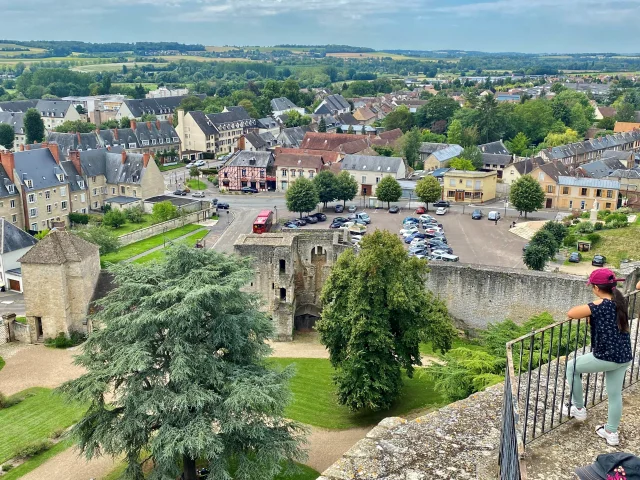
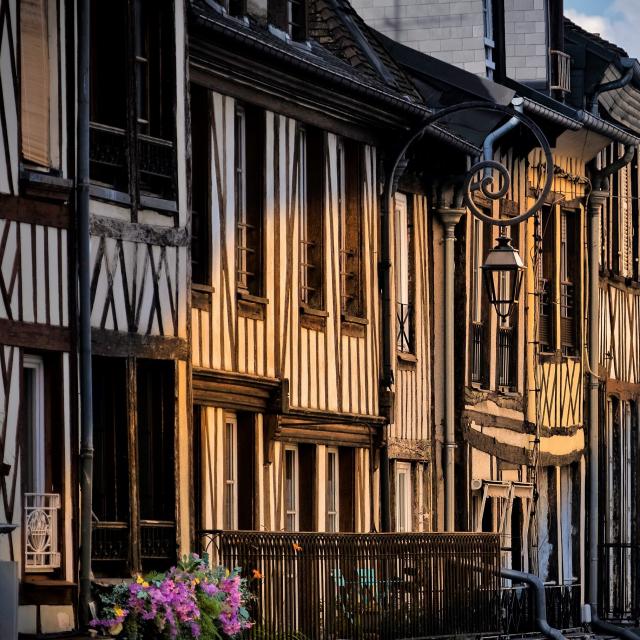
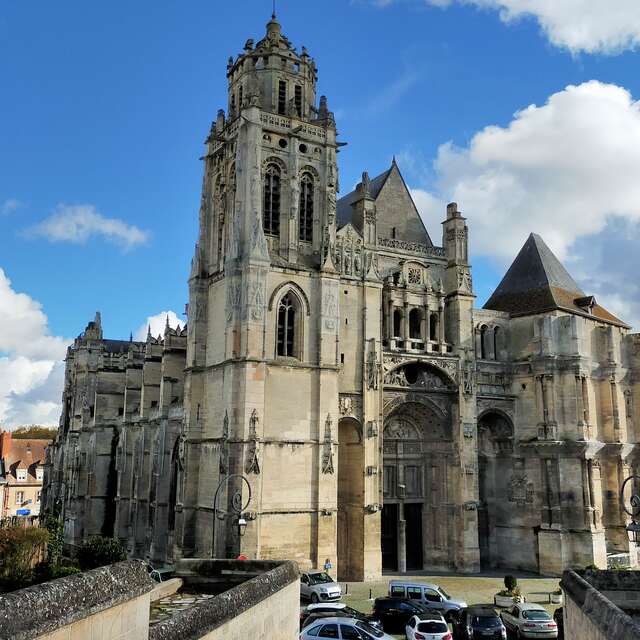
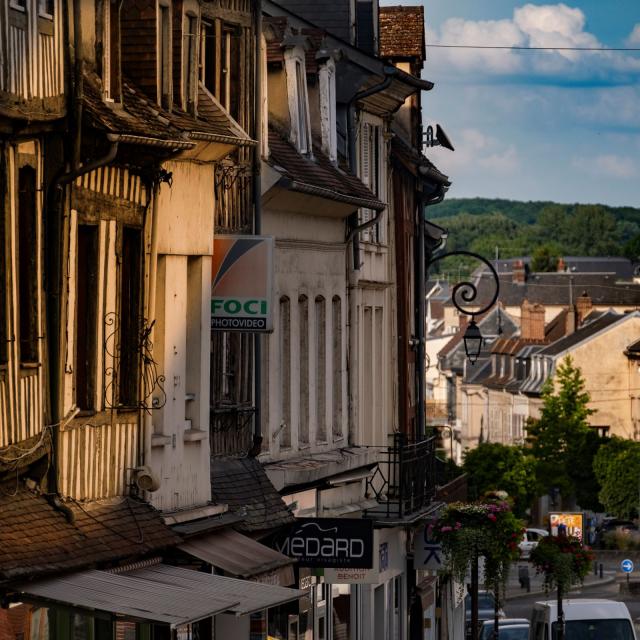
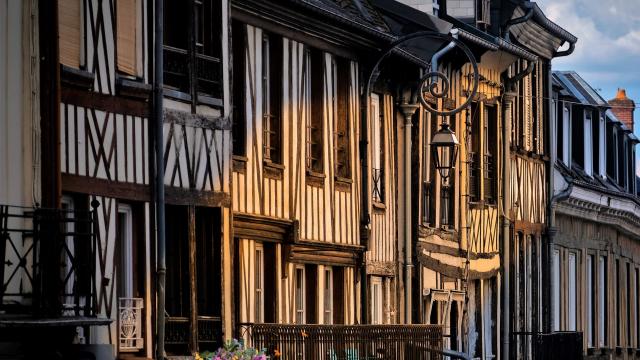
From the park, you can admire this impressive edifice overlooking the town of Gisors, with a view of its medieval houses and its splendid church, also open to free visits.

Like all Gisors residents, you’ll enjoy strolling through this vast 3-hectare park. In summer, you can enjoy a refreshing dip in the shade of the century-old trees or take a picnic break at one of the tables by the bannetons, overlooking the château. The view of the château from the bannetons is well worth the detour. Access is via Place Blanmont, level with the statue of General Blanmont.

Open all year round from 9 a.m. to 5 p.m. from January to March and from October to December and until 7.30 p.m. from April to September.

The castle park may be closed on certain dates, either because of an event taking place there or a weather warning.

Please contact the castle office on + 33 6 11 56 87 75 before visiting to check this information.

Season 2026

Guided tours

15th of April to 30th of October

From 15th of April to 30th of October, visitors can access to the monument with a tour guide and go into these parts of the castle:

  • Prisoner’s Tower, where they will discover remarkable graffiti engraved in the stone,
  • Dungeon,
  • Cellars located under the feudal mound.

For security reasons, children under 6 years old must not participate to the guided tour.

As the number of visitors admitted to the castle is limited to 18, it is higly recommended to book your guided tour before coming.

Schedules of the guided tour : 10 am, 2 pm and 5 pm

Duration: 1 hour and a half

Rates :

  • Full price: 9€
  • Reduced rate: 4€ with proof of entitlement: jobseekers, people on minimum social benefits, students under 25, tourism professionals with business cards
  • Free for children under 12.

For further details, please contact the castle office by phone at 3 6 11 56 87 75 or by email at [email protected] .

Important
  • How many people can visit the château at the same time?

    For safety reasons, the number of visitors to the château is limited to 18 at any one time, whether on a “Discovery Tour” or a guided tour.

  • Good to know and plan ahead
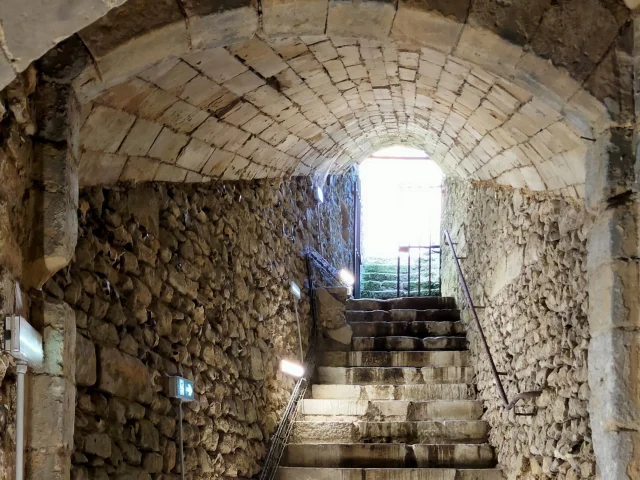
    • This medieval site has a number of slopes and narrow staircases, with a total of over 300 steps throughout the monument: bring shoes suitable for walking.
    • In very hot weather, we recommend that you bring a small bottle of water to quench your thirst (available from the Tourist Office below the site).
    • For your safety and the preservation of the monument :
      • Smoking, vaping and the consumption of alcohol are prohibited. Any offender may be immediately excluded from the site without compensation.
      • Please respect the perimeters marked by barriers.